
Job Matching
How to Find Top Remote Jobs on iPhone
The best remote job is not just the newest listing. It should match your skills, location rules, schedule needs, and application quality. A focused mobile workflow helps you review remote roles quickly without applying blindly.
Start With Remote Fit, Not Just Remote Labels
Remote listings can still have country, time zone, travel, or legal employment limits. Before you apply, check whether the role is truly available where you live and whether the working hours match your life.
Use the remote label as a starting point, then read the location text and requirements before spending time tailoring an application.
- Check country, region, and time zone requirements.
- Look for travel, office visit, or hybrid language.
- Confirm whether the role is full-time, contract, internship, or part-time.
Compare the Role to Your Saved Profile
Remote jobs often attract many applicants, so relevance matters. Match the job title, responsibilities, tools, and seniority level against your saved profile before applying.
If the role is close but not exact, decide what you will emphasize in your resume and cover letter before opening the application.
Use JobHunter to Review Matches Faster
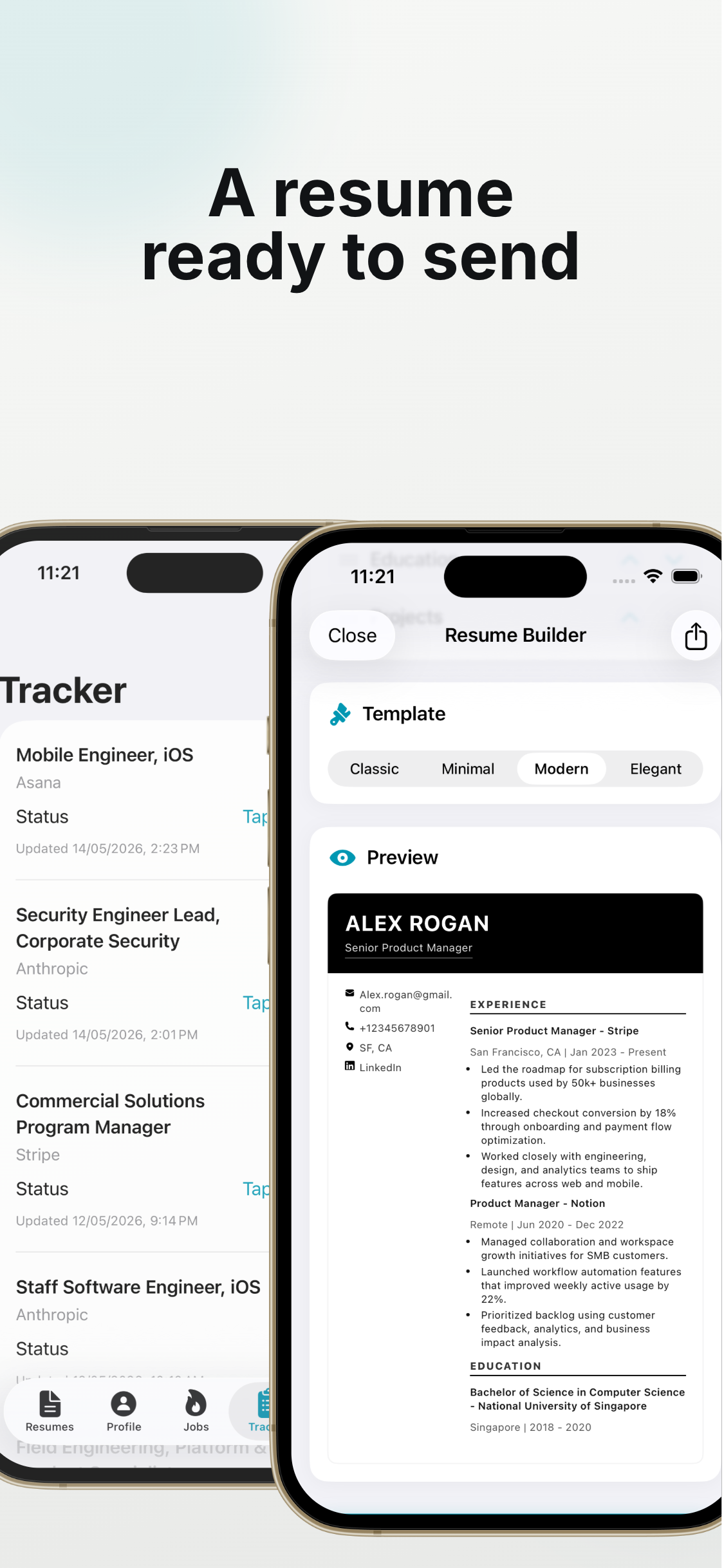
JobHunter helps you browse matched jobs from your iPhone, filter by work mode, and move from a promising role into the application flow with your resume and profile ready.
The goal is not to apply to every remote role. The goal is to find the remote roles worth your time and finish those applications well.
Keep a Shortlist
When several remote jobs look good, shortlist the strongest ones first. Apply to the closest matches while your context is fresh, then return to secondary roles later.
This prevents a remote search from becoming a long scroll of interesting but unfinished applications.
Remote vs Hybrid vs Onsite Job Filters
Work mode filters help you focus, but they are not a substitute for reading the listing. Remote, hybrid, and onsite roles can each include location rules that affect whether you should apply.
Remote Jobs Still Have Boundaries
Some remote jobs require a specific country, state, time zone, or tax setup. Check the listing for regional language before you assume you are eligible.
A good remote search combines the remote filter with location text review.
Hybrid Means Different Things
Hybrid can mean one office day a month, three days a week, or occasional team travel. If commuting matters, read the office expectations before applying.
Do not rely on the label alone when the location affects your decision.
Onsite Roles Can Still Be Worth It
Onsite roles may have fewer applicants than remote roles and can be a better fit when the company, commute, and role are strong.
If your search is not remote-only, compare the strength of the match rather than filtering onsite jobs out by habit.
Use JobHunter Filters as a First Pass
JobHunter includes work mode filtering so you can narrow matched jobs quickly. Use it to focus your feed, then review the details before submitting an application.
How to Find Entry-Level Remote Jobs
Entry-level remote jobs can be hard to sort because many listings use vague titles. A better workflow checks seniority, required experience, training expectations, and remote location rules before applying.
Search for Seniority Signals
Look for words like entry-level, junior, associate, coordinator, assistant, trainee, internship, or new grad. Also check whether the listing asks for years of experience that exceed your background.
Some roles say entry-level but describe mid-level responsibilities. Read beyond the title.
Check Remote Support
A remote entry-level role should explain onboarding, collaboration, tools, or manager support. If the role is remote but expects independent senior-level execution, it may not be the right fit.
Use Projects and Transferable Work
For early-career applications, your resume should make relevant projects, internships, coursework, volunteer work, or customer-facing experience easy to understand.
Tailor the top of your resume to the job's required skills before applying.
Review Matches in JobHunter
Use JobHunter to scan matched roles, filter for remote work, and move quickly on roles that actually fit your level. Skip roles that clearly ask for experience you do not have.
How Region Tags Help With Remote Jobs
Remote does not always mean anywhere. Region tags help you understand where a remote role is likely available, but you should still confirm the details in the listing.
Remote Regions Reduce Guesswork
Companies use region requirements for payroll, legal, time zone, team overlap, and customer coverage reasons. Region tags make those constraints easier to scan.
A role can be remote and still limited to a country or region.
Read the Full Location Text
A tag is a shortcut, not the whole rule. Look for phrases like remote within, based in, eligible to work in, or must be located in.
These phrases can determine whether you should apply.
Match Region to Your Profile
Make sure your saved location and work preference are accurate. Better profile details help you focus on roles that are actually reachable.
Use JobHunter as a Review Tool
JobHunter helps surface remote and location-mode details so you can review fit quickly before moving into the application workflow.
Verify Remote Eligibility Before Tailoring
Remote is a work arrangement, not a promise that anyone can work from anywhere. Check country, state, tax residence, time zone, working hours, travel, and occasional office requirements. Look for phrases such as remote within the United States, EMEA hours, or quarterly onsite. This sixty-second check prevents spending twenty minutes on an application that cannot progress.
When the listing is unclear, save the role with a note rather than inventing an answer. If the application directly asks whether you live in an eligible region, answer accurately.
Evaluate Whether the Team Supports Remote Work
Strong remote listings often describe communication rhythms, documentation, onboarding, equipment, collaboration hours, or manager expectations. Entry-level candidates should look for training and feedback signals. Experienced candidates should check whether the autonomy and meeting schedule fit how they work.
Remote quality is not guaranteed by the label. A vague listing with constant availability expectations may be a worse fit than a clearly organized hybrid role.
Frequently asked questions
Why does a remote job have a location restriction?
Employers may limit hiring because of payroll, tax, legal entity, client, licensing, security, or working-hour requirements.
How can entry-level applicants judge remote support?
Look for structured onboarding, manager access, documentation, collaboration tools, feedback cycles, and responsibilities appropriate for the stated level.
Should I apply when the region is unclear?
Save the role and look for clarification in the company careers page or application. Never misstate your location or work authorization.